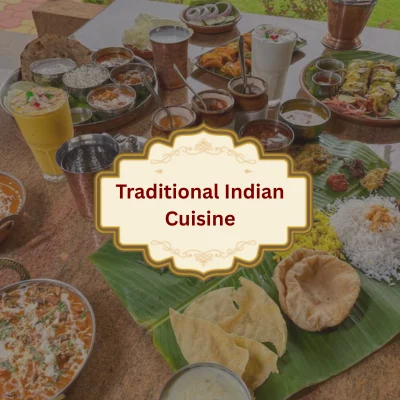
India is home to one of the world’s most diverse food cultures. Travel from one state to another, and you will notice something fascinating: the ingredients change, cooking methods change, spices change, and even the way food is served can be completely different. Yet, every regional cuisine has one thing in common—it reflects the people, land and traditions from which it comes. So, why does Indian food taste so different from one region to another?
The answer lies in a beautiful combination of geography, climate, locally available ingredients, history and generations of culinary traditions.
Geography Has a Big Influence on Food
The land around us plays an important role in determining what we eat. India’s diverse geography ranges from coastal regions and fertile plains to mountains, plateaus and dry landscapes. Naturally, the ingredients available in these regions vary. Coastal areas, for example, have traditionally had easy access to coconut, rice and a variety of locally available produce. In southern India, rice-based dishes, lentils, coconut and a wide range of spices form an important part of everyday cuisine.
In other parts of the country, wheat, millets, pulses and different vegetables may feature more prominently. This availability of local ingredients has shaped regional recipes over generations.
Climate Shapes Cooking Traditions
Climate is another reason Indian cuisine varies so much. Different climates influence not only the ingredients people grow but also the types of food traditionally prepared.
In warmer regions, lighter meals, rice-based dishes, fermented foods and ingredients such as coconut are commonly found. In colder regions, people have traditionally relied more on hearty preparations, grains, dairy and ingredients that provide warmth and nourishment. The result is a culinary landscape where food naturally adapts to the environment.
Local Ingredients Create Local Flavours
One of the easiest ways to understand regional Indian cuisine is to look at its ingredients. A dish can taste completely different simply because the local spices, vegetables, grains or cooking fats change. South Indian cuisine is known for ingredients such as rice, lentils, curry leaves, coconut, mustard seeds and tamarind. Maharashtrian cuisine brings its own distinctive combinations of spices, grains, vegetables and traditional ingredients.
Move further north or east, and you encounter another collection of flavours, ingredients and cooking techniques. The beauty of Indian cuisine is that the same basic ingredients can be transformed into entirely different dishes depending on where you are.
Tradition Is Passed Down Through Generations
Recipes are rarely just recipes in India. They are often family traditions passed from one generation to another.
A grandmother’s way of preparing a particular dish, a special spice blend made at home or a traditional cooking technique can become part of a family’s identity. Over time, these small differences accumulate. A dish may have several versions across neighbouring states, with each community adding its own interpretation.
That is why there is rarely just one way to prepare an Indian dish. There are family recipes, regional recipes and local variations—and each one has its own story.
History Has Shaped Indian Cuisine
Indian food has also evolved through centuries of trade, migration and cultural exchange. Different communities and cultures have influenced one another, introducing new ingredients, techniques and combinations of flavours.
Spices that were once traded across long distances became an important part of Indian cooking. Different regions adopted and adapted ingredients according to their own culinary traditions. This continuous exchange is one of the reasons Indian cuisine is so dynamic. It is traditional, but it has never stopped evolving.
South Indian Cuisine: A Celebration of Balance
South Indian cuisine is a wonderful example of how geography, ingredients and tradition come together. Rice, lentils, coconut, curry leaves, tamarind and a variety of spices form the foundation of many popular dishes. Fermentation is also an important traditional technique used in foods such as idli and dosa.
From a comforting bowl of sambar to a crispy dosa or a traditional South Indian meal, the cuisine offers a balance of textures, aromas and flavours. And even within South India, the food changes from one state to another. That is what makes regional cuisine so fascinating.
Maharashtrian Cuisine: Bold, Diverse and Distinctive
Maharashtrian cuisine is equally diverse. The state’s varied geography has contributed to a wide range of culinary traditions, from everyday comfort foods to festive preparations. Dishes such as poha, misal, bhakri and puran poli showcase different ingredients, textures and flavour profiles.
The cuisine also demonstrates how grains, pulses, vegetables and spices can be combined in countless ways to create food that is both deeply rooted in tradition and incredibly diverse.
One Country, Countless Culinary Stories
Perhaps the most beautiful thing about Indian food is that there is no single definition of what Indian cuisine tastes like. It can be tangy, spicy, sweet, earthy, smoky, creamy or comforting. It can be served on a banana leaf, in a thali, with rice, with bread or as a simple snack.
Every region has its own interpretation, shaped by the ingredients available, the climate, the landscape and the people who call it home. And yet, these differences are what make Indian cuisine one of the richest food cultures in the world.
Bringing Regional Flavours to One Table
At Chennai Maratha, we believe that experiencing Indian cuisine is also a way of experiencing India’s diverse culinary heritage. Our menu brings together flavours inspired by South Indian and Maharashtrian traditions, along with other much-loved Indian favourites. It is an opportunity to discover different tastes while enjoying the comfort and familiarity of vegetarian Indian food.
Because every regional dish has a story. And sometimes, the best way to understand that story is simply to take a bite.
Experience the Diversity of Indian Cuisine
India’s regional cuisines remind us that food is shaped by much more than recipes. It is shaped by land, climate, ingredients, history, culture and generations of people who have kept culinary traditions alive.
So the next time you enjoy an Indian meal, take a moment to notice the flavours. You might just be tasting a little piece of the region it came from.