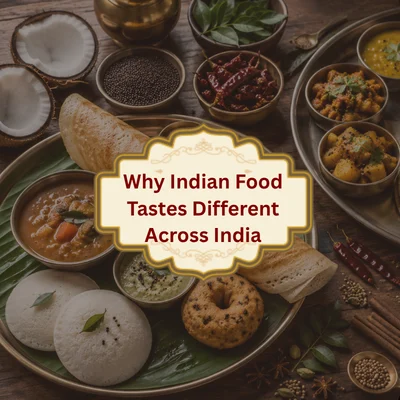
Indian food is much more than a combination of ingredients and flavours. It is a reflection of our history, culture, traditions, and the communities that have passed recipes from one generation to the next. From the comforting aroma of a South Indian breakfast to the rich flavours of Maharashtrian cuisine, traditional Indian food tells a story. Every region has its own ingredients, cooking techniques, traditions, and ways of bringing people together around the dining table. So, what truly makes traditional Indian food so special?
The Richness of Regional Ingredients
One of the most beautiful things about Indian cuisine is its incredible regional diversity. The ingredients used in Indian cooking are often closely connected to the geography and climate of a region. Rice and coconut feature prominently in many South Indian preparations, while millets, lentils, spices, vegetables, and grains play an important role across different parts of the country.
Even familiar ingredients can taste completely different depending on how they are prepared. A simple lentil, vegetable, or grain can become part of a completely different culinary tradition from one state to another.
This diversity is what makes exploring Indian vegetarian cuisine such a fascinating experience.
Recipes Passed Down Through Generations
Traditional Indian recipes are often more than instructions written on paper. They are memories. Many recipes have been passed down through families, with each generation adding its own touch while preserving the essence of the original preparation. The exact balance of spices, the way ingredients are cooked, or even the method used to prepare a particular dish can become a part of a family’s identity. This connection between food and family is one of the reasons traditional Indian cuisine continues to feel so comforting and familiar.
Time-Honoured Cooking Methods
Traditional Indian cooking is not simply about adding spices. It is about understanding how ingredients work together. Slow cooking, tempering spices, roasting ingredients, grinding fresh masalas, fermenting batters, and cooking food at the right temperature are techniques that have been refined over generations.
For example, tempering spices in hot oil or ghee can completely transform the aroma and flavour of a dish. Fermentation adds another dimension to several traditional preparations, while slow cooking allows flavours to develop naturally. These techniques demonstrate the knowledge and craftsmanship behind Indian cuisine.
Spices That Tell a Story
Indian cuisine is famous around the world for its use of spices, but spices are not simply used to make food spicy. Cumin, mustard seeds, turmeric, coriander, curry leaves, cardamom, cloves, cinnamon, and many other spices contribute different aromas, textures, and flavours.
The combination and proportion of these spices can vary dramatically between regions. This is why two dishes made with some of the same basic ingredients can have completely different identities. Indian cooking is, in many ways, an art of balance.
Food and Festivals Go Hand in Hand
Food has always been an important part of Indian celebrations. Festivals, family gatherings, weddings, religious occasions, and special milestones often have their own culinary traditions. Certain foods are prepared only during particular celebrations, making them closely associated with memories and occasions. Food therefore becomes more than something we eat. It becomes part of how we celebrate, welcome people, express love, and preserve traditions.
Food Brings People Together
Perhaps the most special thing about Indian food is its ability to bring people together. A meal is rarely just about eating. It can be an opportunity for families to sit together, friends to catch up, guests to be welcomed, and stories to be shared. From a simple home-cooked meal to a festive feast, food has always had a special place in Indian social life. That sense of togetherness is something that makes Indian dining so memorable.
Vegetarian Cuisine Is Full of Variety
Indian vegetarian cuisine is a perfect example of the country’s culinary diversity. Across India, vegetables, lentils, grains, pulses, dairy, fruits, spices, and regional ingredients are transformed into countless preparations. Each region brings its own flavours and cooking traditions to the table.
South Indian and Maharashtrian cuisines, for instance, offer very different culinary experiences while sharing a strong connection with traditional vegetarian cooking. This diversity shows that vegetarian food is not about limitation—it is about creativity, variety, and tradition.
Keeping Tradition Alive in Modern Times
As food culture continues to evolve, traditional cuisine remains an important connection to our roots. Modern restaurants can introduce traditional flavours to new generations while maintaining the essence of the recipes and techniques that made them special in the first place.
At Chennai Maratha, this connection between food and culture is at the heart of what we do. Our aim is to bring together the distinctive flavours of South Indian and Maharashtrian cuisine in a way that allows people to experience traditional food while enjoying a welcoming contemporary dining experience. Because ultimately, traditional Indian food is not just about what is on the plate.
It is about where it comes from, who made it, the traditions behind it, and the memories it creates. And that is what makes Indian food truly special.